
Ngorongoro Crater
The Ngorongoro Crater lies within the larger Ngorongoro Conservation Area between Arusha and Serengeti National Park. Covering approximately 260 square kilometers and with walls rising over 600 meters high, it is considered the world’s largest intact volcanic caldera.
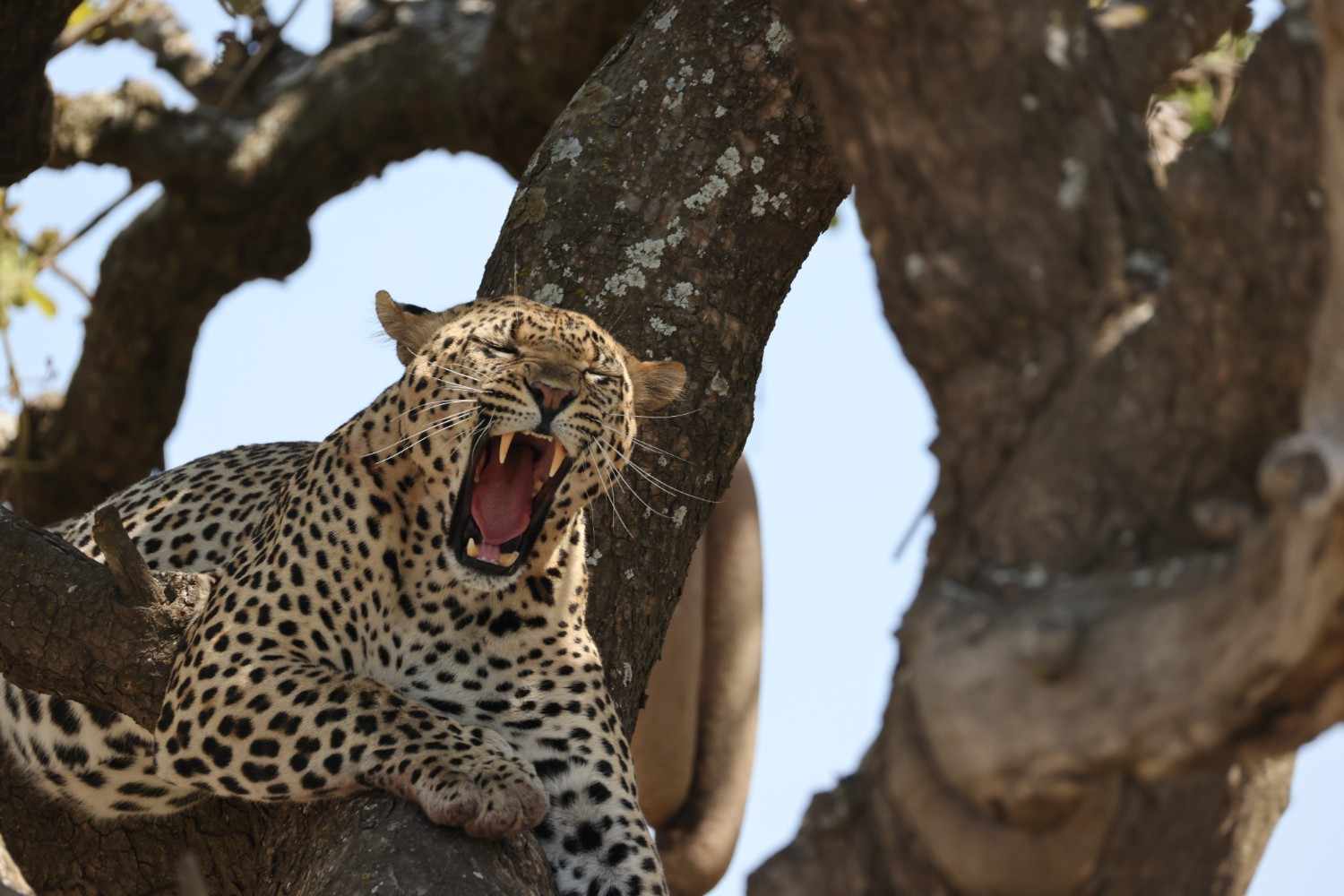
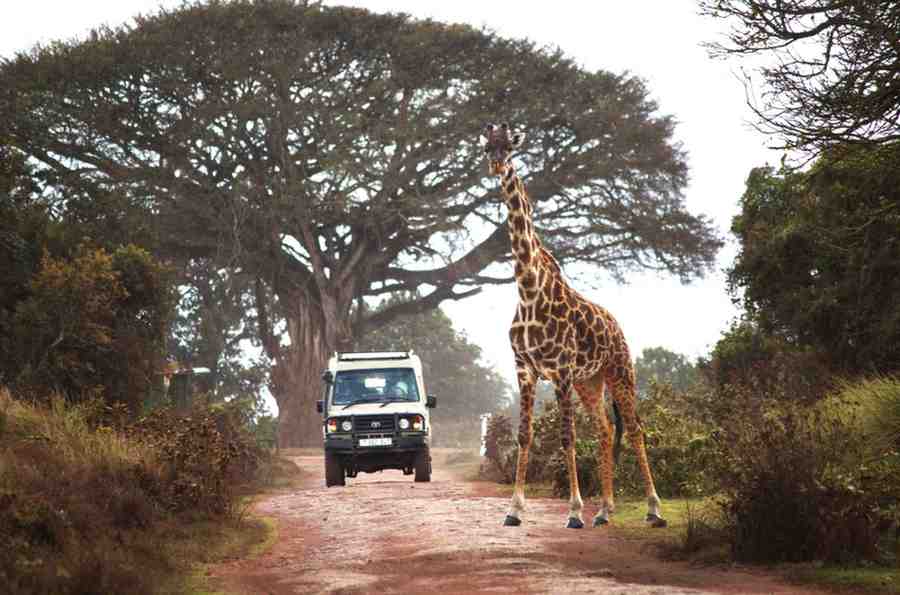
The crater floor supports a rich variety of habitats including grasslands, swamps, forests, and Lake Magadi, attracting thousands of animals throughout the year. Visitors can spot lions, elephants, buffaloes, zebras, wildebeests, hippos, hyenas, flamingos, and the rare black rhino in a single game drive.
Beyond wildlife, the conservation area is also culturally significant as it is home to the Maasai people who continue their traditional pastoral lifestyle alongside wildlife conservation.
Ngorongoro is often included in Tanzania’s famous Northern Safari Circuit together with Serengeti, Tarangire, and Lake Manyara National Parks.
Wildlife
- Home to the rare and endangered black rhino
- Excellent destination to spot the Big Five.
- Large lion population within the crater floor.
- Thousands of wildebeests and zebras roam freely.
- Lake Magadi attracts beautiful flamingos and water birds.
Activities
- Game Drives
- Maasai Cultural Tours
- Bird Watching
- Picnic Lunches Inside the Crater
- Safari Camping & Lodge Stays
Attractions
- Tarangire National Park
- Lake Manyara National Park
Frequently Asked Questions
What is Ngorongoro Crater famous for?
Ngorongoro Crater is famous for being the world’s largest intact volcanic caldera and for its incredible concentration of wildlife, including the Big Five — lion, elephant, buffalo, leopard, and black rhino.
How long does a safari in Ngorongoro Crater take?
Most visitors spend a full day on a game drive inside the crater, although some safari itineraries include overnight stays on the crater rim or nearby lodges.
Can you see the Big Five in Ngorongoro Crater?
Yes. Ngorongoro Crater is one of the best places in Tanzania to see the Big Five in a single day, especially the endangered black rhino.
Is Ngorongoro Crater suitable for family safaris?
Yes. Ngorongoro is ideal for families because wildlife viewing is excellent within a relatively small area, reducing long driving distances during game drives.
What should I pack for visiting Ngorongoro Crater?
Visitors should bring warm clothing for chilly mornings and evenings, comfortable safari wear, sunscreen, sunglasses, a camera, binoculars, and sturdy walking shoes.
Best Time to Visit
June to October (Dry Season)
- Best wildlife viewing
- Easier animal spotting around water sources
- Cooler and comfortable safari conditions
November to May (Green Season)
- Beautiful green scenery
- Excellent birdwatching season
- Fewer tourists
- Calving season for wildebeests nearby
Ngorongoro can be visited year-round because wildlife remains inside the crater throughout the year.
Climate
Ngorongoro Crater enjoys a mild highland climate due to its altitude.
- Average Day Temperature: 15°C – 25°C
- Cool Evenings & Mornings: Can drop below 10°C
- Dry Season: June to October
- Green/Rainy Season: November to May
- Rainfall Peaks: March and April
Visitors are advised to carry warm clothing for early morning game drives.
Travel Tips
- Carry warm clothing for chilly mornings and evenings.
- Start game drives early for the best wildlife sightings.
- Wear comfortable neutral-colored safari clothes.
- Bring sunscreen, sunglasses, and a hat for sun protection.
- Keep your camera and binoculars ready at all times.
Tours in Ngorongoro Crater


19-Day Mount Kilimanjaro Lemosho Trek, Tanzania Safari & Zanzibar Beach Holiday

